
Pulse Marketing is rewriting the rules of attention in a world where trends are as fleeting as coffee.
It’s quick, fearless, and downright addictive—the kind of strategy brands swear by for going viral overnight. Forget long-term campaigns; this is marketing with a heartbeat.
What Is Pulse Marketing?
Consider Pulse Marketing to be your brand’s caffeine shot—it’s quick, energising, and impossible to ignore. Instead of running long, drawn-out campaigns, pulse strategies rely on short bursts of attention. These “pulses” are designed to maximise impact in the shortest amount of time by aligning with trending topics, viral moments, and real-time consumer behaviour.
Key Traits of Pulse Marketing:
- Fast-paced: It thrives in the moment, responding quickly to cultural shifts, memes, and breaking news.
- Emotion-driven: Each pulse elicits curiosity, laughter, or surprise—emotions that drive sharing and engagement.
- Low-cost, high-impact: Unlike traditional advertising, pulse tactics frequently cost less while generating viral-scale exposure.
- Strategic bursts: Instead of one long campaign, marketers run a series of short, high-energy bursts throughout the year.
- Data-backed: Smart brands use analytics to identify spikes in engagement and then launch the next pulse to maintain momentum.
In short, Pulse Marketing is about talking smarter, at the right time, rather than louder.

Different Types of Pulse Marketing
There is no “one-size-fits-all” here. Pulse Marketing adapts to different industries, styles, and platforms, with each pulse designed to fit the brand’s rhythm.
1. Trend-Driven Pulses
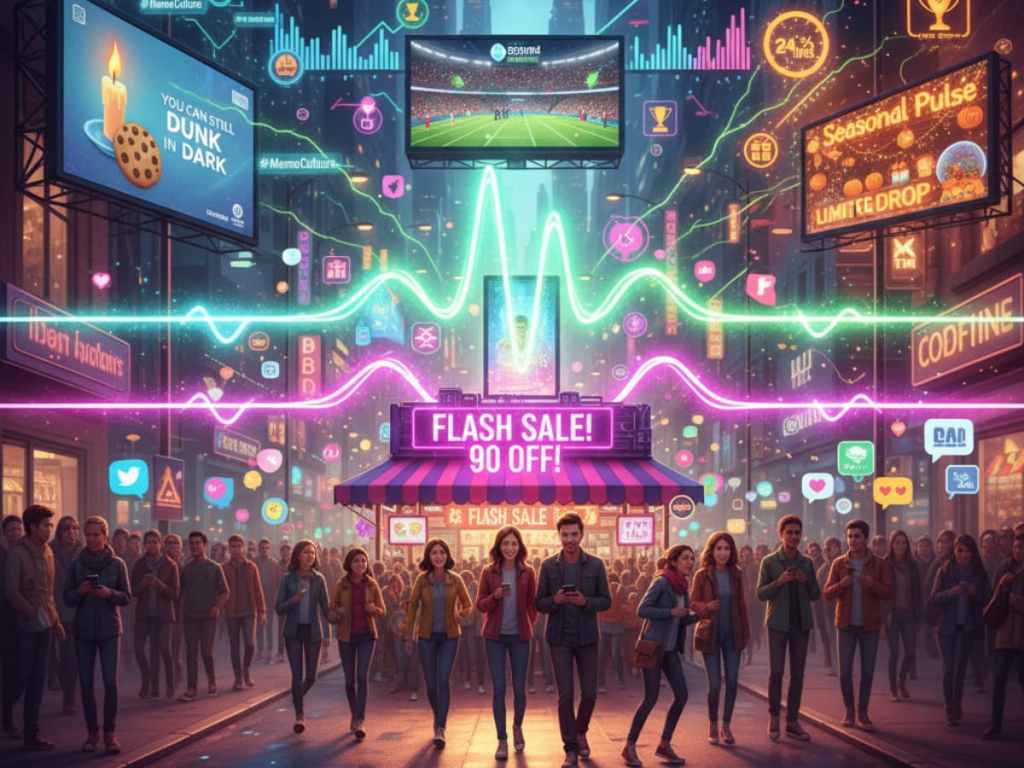
Profit from trending topics, viral hashtags, or meme culture. Remember Oreo’s “You can still dunk in the dark” tweet from the Super Bowl blackout? That’s trend-timing perfection.
2. Event-Based Pulses
Brands align their campaigns with real-world events, such as award shows and sports finals, to generate contextual relevance and instant buzz.
3. Seasonal Pulses
Short bursts around holidays, launches, and festivals keep audiences interested. Consider holiday giveaways or limited-time drops that disappear in 24 hours.
4. Micro-Influencer Pulses
Instead of mega-celebrities, brands now work with niche creators to create authentic, repeatable bursts of engagement.
5. Flash Sales & Pop-Ups
These are the transactional champions of Pulse Marketing, delivering irresistible urgency and fear of missing out (FOMO).
When executed correctly, each pulse increases visibility, and when combined, these spikes form a consistent rhythm of growth.
The Psychology Behind Pulse Marketing
Pulse Marketing is fundamentally based on our brains’ desire for novelty and emotional bursts. It is not about making constant noise; it is about rhythm, timing, and eliciting the appropriate emotion at the right time.
1. The Dopamine Effect
Humans are wired for instant gratification. Each pulse, whether it’s a witty post, a flash offer, or a trending meme, delivers a dopamine hit. This reward loop keeps your audience returning for the next “fix.”
2. Curiosity & Anticipation Bias
Pulse Marketing thrives on curiosity. Teasing upcoming offers or limited drops activates the brain’s anticipation bias — people enjoy waiting for surprises more than the surprises themselves.
3. Emotional Contagion
Have you ever noticed how laughter or outrage spreads faster online than facts? Pulse campaigns that elicit emotion, such as joy, pride, or humour, encourage widespread participation and sharing.
4. Fear of Missing Out (FOMO)
Scarcity motivates action. When a deal lasts “only today” or a challenge lasts “for 24 hours,” users act quickly — a transactional psychology principle expertly applied in Pulse Marketing.
5. Social Validation Loop
When people see others participating in a post or campaign, they join in too. This “herd impulse” is what gives Pulse Marketing its viral scalability — it’s low-cost, high-impact, and based on human instinct.
The Framework for Pulse Marketing
Developing a strong Pulse Marketing framework is similar to composing music; each beat, pause, and crescendo must be deliberate. Here’s how top brands strategically engineer viral bursts.
1. Listen Before You Leap
The first step is social listening. Track trending keywords, hashtags, and real-time conversations to identify waves before they peak. What’s the goal? Do not chase culture; instead, ride it.
2. The 3C Model: Context, Creativity, Consistency
- Context: Maintain relevance to current public concerns.
- Creativity: Add a twist: humour, shock, or wit.
- Consistency: Keep the rhythm going. A single viral post is not a pulse; it is a spark. Pulses require continuity.
3. Align With Your Funnel
Whether it’s a commercial push or an informational content burst, each pulse should target a specific audience. Not every post sells; some increase brand equity.
4. Build the Feedback Loop
Track performance metrics such as engagement rates, click-throughs, and conversions to improve timing and tone. The rhythm evolves.
5. Ethics and Empathy
Never exploit people’s emotions. Pulse marketing is most effective when it is authentic — think “connect, don’t manipulate.” Transparency inspires loyalty.
Key Takeaway: Successful Pulse Marketing is based on a rhythmic system that listens, reacts, and refines rather than being random.
Funnel for Pulse Marketing
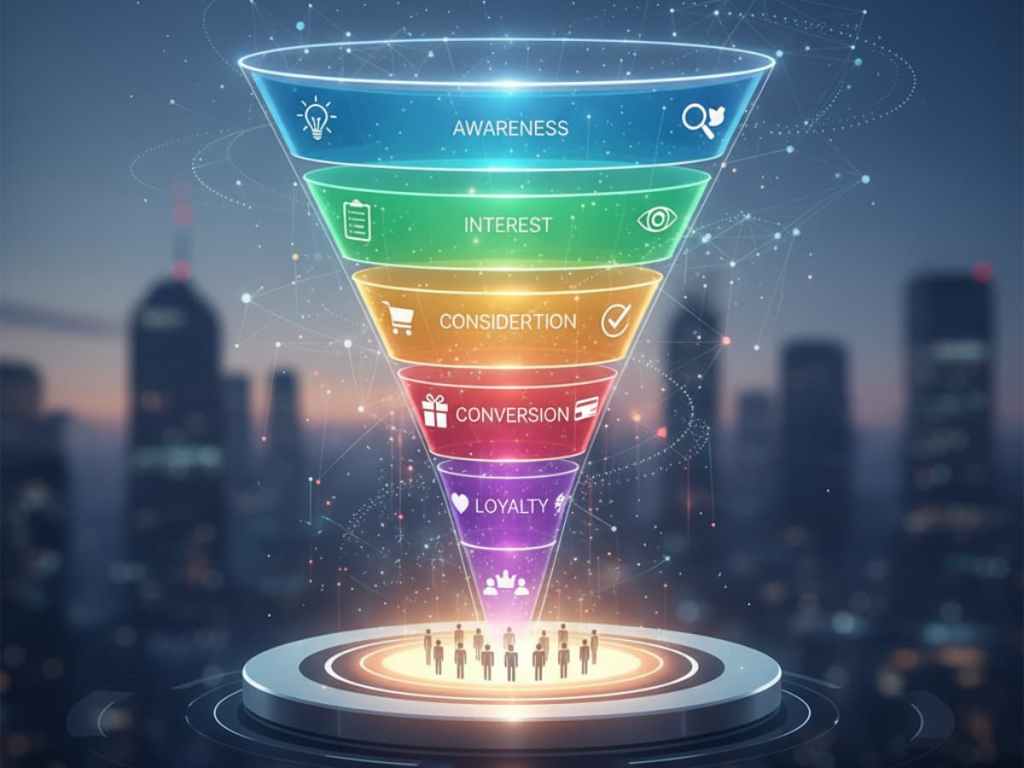
If marketing funnels were playlists, Pulse Marketing would be the remix that keeps audiences coming back for more. Traditional funnels move slowly, from awareness to interest, decision, and action. Pulse funnels move quickly, fluidly, and with fun.
1. Micro-Awareness Triggers
These are your top-of-funnel pulses: short videos, memes, and relatable posts that pique interest right away. They work best when trending marketing content combines with brand authenticity.
2. Engagement Sparks
Once users notice you, the goal is to strengthen the connection. Create interactive polls, mini-contests, or story challenges to encourage people to engage in the middle of the funnel.
3. Emotional Conversion Points
To elicit emotional responses, use humour, nostalgia, or empowerment-focused copy. This is where transactional Pulse Marketing converts awareness into revenue.
4. Re-Pulse Retargeting
Instead of static ads, use rhythmic follow-ups — new creative twists on the same core message — to pique interest without becoming tedious.
5. Community Amplification
Encourage fans to create content about your brand. This promotes navigational discovery and involves audiences in the pulse itself.
Key Takeaway: The Pulse Marketing funnel not only converts, but also cycles. Each campaign feeds the next, transforming fleeting engagement into sustained growth.
Strategy for Pulse Marketing Success
This is where ideas become action. Developing a high-performing Pulse Marketing strategy necessitates bold thinking, precise execution, and unwavering creativity.
1. Build a Pulse Calendar
Plan 6-8 “pulse bursts” per quarter, each based on a cultural trend, seasonal event, or brand moment. Preparation enhances spontaneity.
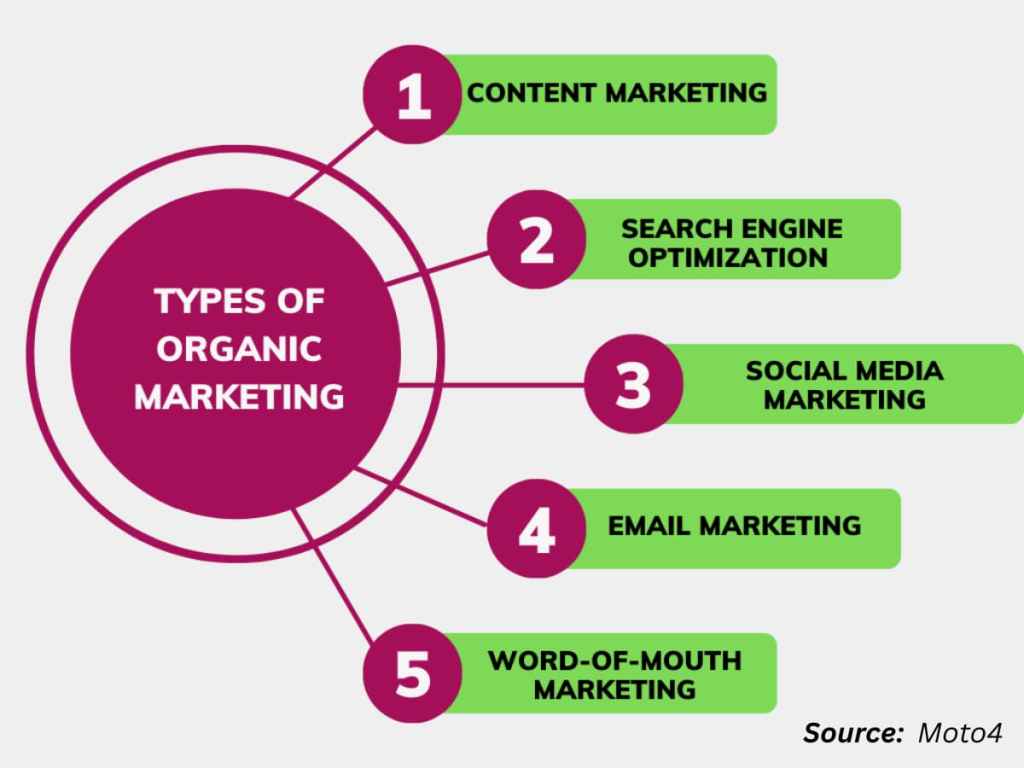
2. Balance Organic and Paid Pulses
Paid content increases reach, while organic content builds trust. Combine the two for a hybrid model that balances commercial success with authenticity.
3. Microcontent Domination
Consider short, snappy, and scroll-stopping. Reels, memes, and stories outperform long-form ads on Pulse. Make each frame count.
4. Community First, Content Second
The most effective Pulse Marketing campaigns are co-created. Encourage user participation with reactions, duets, and recreations. It’s free amplification via emotion.
5. Stay Real-Time Ready
Create a “Rapid Reaction Team” of marketers who are empowered to launch or adapt campaigns in real time when a trend emerges.
6. Measure → Adapt → Repeat
Every pulse is a test. Learn quickly, and then tweak even faster. Over time, you will discover your brand’s distinct pulse rhythm.
Strategic takeaway: The future belongs to brands that move quickly, remain witty, and pulse with purpose, not noise.
How to Measure ROI for Pulse Marketing
Let’s talk numbers—because no matter how creative your Pulse Marketing is, you’ll need hard metrics to justify the effort and expense.
ROI measurement in this context is not traditional; it is agile, emotional, and data-driven.
1. Engagement Rate per Pulse
Keep track of likes, comments, shares, and saves—these are indicators of emotional resonance. A viral pulse may not always sell, but it does increase brand recall.
2. Conversion Tracking
Connect each pulse to a specific transactional outcome, such as sign-ups, purchases, or downloads. Use UTM parameters or pixel tracking to track the buyer’s pulse journey.
3. Cost per Engagement (CPE)
Calculate your CPE to determine how cost-effective your short-term campaigns are in comparison to traditional advertising. Most Pulse Marketing campaigns outperform here by a significant margin.
4. Sentiment & Share of Voice
Social listening tools can determine whether your brand’s mentions are positive, informative, or branded, allowing you to measure perception shifts.
5. Lifetime Value Impact
When pulses are consistent, they don’t just cause spikes; they also raise the baseline. Track LTV growth among repeat customers exposed to multiple pulses.
Action Tip: Treat Pulse Marketing ROI like a heartbeat, measuring its frequency rather than just its peaks.
Most Popular Real-Life Examples of Pulse Marketing
Netflix’s “Red Light, Green Light” Challenge (Squid Game):
Netflix did more than just drop a show; it also dropped a cultural pulse. Social media erupted with memes, challenges, and recreations, increasing global engagement.
Zomato’s One-Word Tweets:
One word. Millions of impressions. Zomato’s humorous, minimalist posts serve as mini masterclasses in real-time Pulse Marketing.
Spotify Wrapped:
An annual pulse that disrupts the internet, combining user data with shareable storytelling. Every year, it tops the trending charts.
Nike’s Reaction Ads:
Do all major sports win? Nike has released a brief, powerful video before the post-match interviews conclude. This is navigational and branded Pulse Marketing at work.
Burger King’s “Moldy Whopper” Campaign:
Gross? Maybe. Memorable? Absolutely. This pulse sparked global conversations, demonstrating that controversy (when done ethically) can be a powerful marketing tool.
For more unconventional, high-impact strategies, see Guerrilla Marketing Secrets That Skyrocket Growth Very Fast.
Best Low-Cost Pulse Marketing Ideas for Startups
To create powerful pulses, all you need is creativity, timing, and guts, not a large budget.
1. Meme-Driven Campaigns
Humour travels quickly. Memes can help you connect with your audience in an authentic way, especially if they are relevant to current events.
2. Limited-Time Offers
Run 24-hour flash sales to generate urgency. Combine this with social media countdown timers to increase the adrenaline rush.
3. Street or Pop Culture References
Incorporate your brand into trending topics. For example, if a viral song dominates Reels, sync your product to it for immediate reach.
4. Micro-Collabs
Collaborate with small influencers or local creators. Their communities respond faster, providing your brand with a loyal mini-army.
5. Real-Time Polls & Reactions
Convert customer reactions into mini-campaigns. Share funny polls, instant responses, and behind-the-scenes reactions.
Pro Tip:
Schedule “pulse windows” every few weeks — a specific time to release new content that increases engagement. When startups master this rhythm, they don’t just follow trends, but they create them.
Legal and Ethical Risks of Pulse Marketing
Let’s be honest: Pulse Marketing is exciting, but it also has some drawbacks.
1. Copyright & Trend Hijacking
Jumping on viral content can be counterproductive if you use copyrighted music, images, or phrases. Always obtain permission or use royalty-free elements.
2. Brand Authenticity
Audiences will notice if your pulse is too fast. Stay true to your tone and values; fake engagement is a long-term credibility killer.
3. Misinformation & Sensitivity
Avoid joking about sensitive topics. One mistake in tone, and you risk public backlash faster than the pulse beats.
4. Privacy Concerns
Never use user data or private moments without permission. Transparency builds long-term trust, not just viral fame.
5. Ethical FOMO
Creating urgency is acceptable. Manipulating emotions? Not very much. Keep your tactics clever and not coercive.
Want to see where Pulse Marketing is headed next? Explore What’s Next: Pulse Marketing.
FAQs
What is Pulse Marketing?
It’s a strategy that employs short, high-energy campaigns to capitalise on trending topics and quickly increase engagement.
Why is Pulse Marketing trending now?
Because attention spans are shorter, brands require faster, more precise ways to connect emotionally and commercially.
Can small businesses use Pulse Marketing?
Absolutely. It’s ideal for startups because it’s low-cost, high-reward, and great for determining what works.
Is Pulse Marketing risky?
Only if it is careless. The key is timing and ethics: respond quickly but think critically.
How do I start a Pulse Marketing campaign?
Begin small: choose a trend, integrate it into your brand’s voice, and create engaging short-form content around it.
Conclusion
Pulse Marketing is more than just a tactic; it’s a rhythm. Brands that move with the cultural rhythm command attention rather than chasing it. Whether you’re a startup or a multinational corporation, it’s time to stop broadcasting and start pulsing. The future does not wait; it trends.
 OPTERFACE