
Do you take the steps to boost omnichannel experience in your platforms, products, or services to increase customer loyalty and retention? If you still need to, you must take this into account.
Imagine your consumer is switching between their laptop, smartphone, and possibly even their smartwatch, trying to accomplish one task—buying your product, reserving your service, or simply reading your website.
But, sometimes, along the route, dissatisfaction appears like an uninvited guest at a party. The checkout procedure could be clearer, the customer service bot is more robotic than helpful, and the website crashes as they are about to pay.
Now ask yourself, how can you avoid this disaster? The remedy is simple yet effective, customer feedback.Yes, I am referring to that valuable knowledge that will help you convert those dissatisfied people into your most loyal customers by boosting omnichannel experience.
If you are an entrepreneur, a B2B company, a job seeker trying to understand what your clients truly require, or a student entering the huge business world, boost the omnichannel experience. It is your ticker to success.
Let’s dive into these omnichannel customer experience strategies!
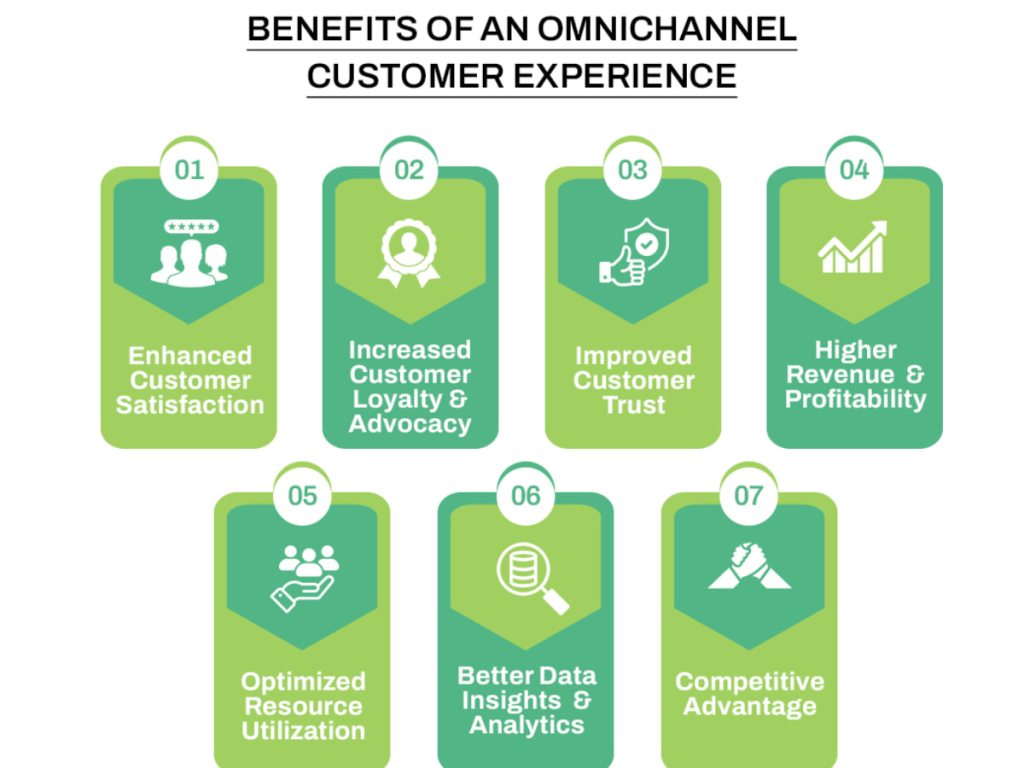
What Is Omnichannel Customer Experience?
Omnichannel customer experience, or CX is the unified experience of the customer which integrates all channels and touchpoints of a brand. It enables customers to move between channels without repeating information and gives them multiple ways to contact a company.
The Struggle Is Real—Why Customer Feedback Matters?
So, here is the deal,
The first thing to remember for boosting omnichannel customer experience is that customers no longer use a single platform. They are one moment browsing your website on their laptop, and the next thing you know, they are scrolling through your speaker. It’s a wild wind, and you must collect input at every touchpoint to determine what’s working and what isn’t.
And let’s face it, a dissatisfied consumer is a dead lead. According to HubSpot’s poll, 93% of customers are willing to make repeat purchases from firms that provide exceptional customer service.
So, how can you discover and address the pain points that spread across many channels? Customer input is the secret sauce for solving this omnichannel customer engagement problem.
Step 1:
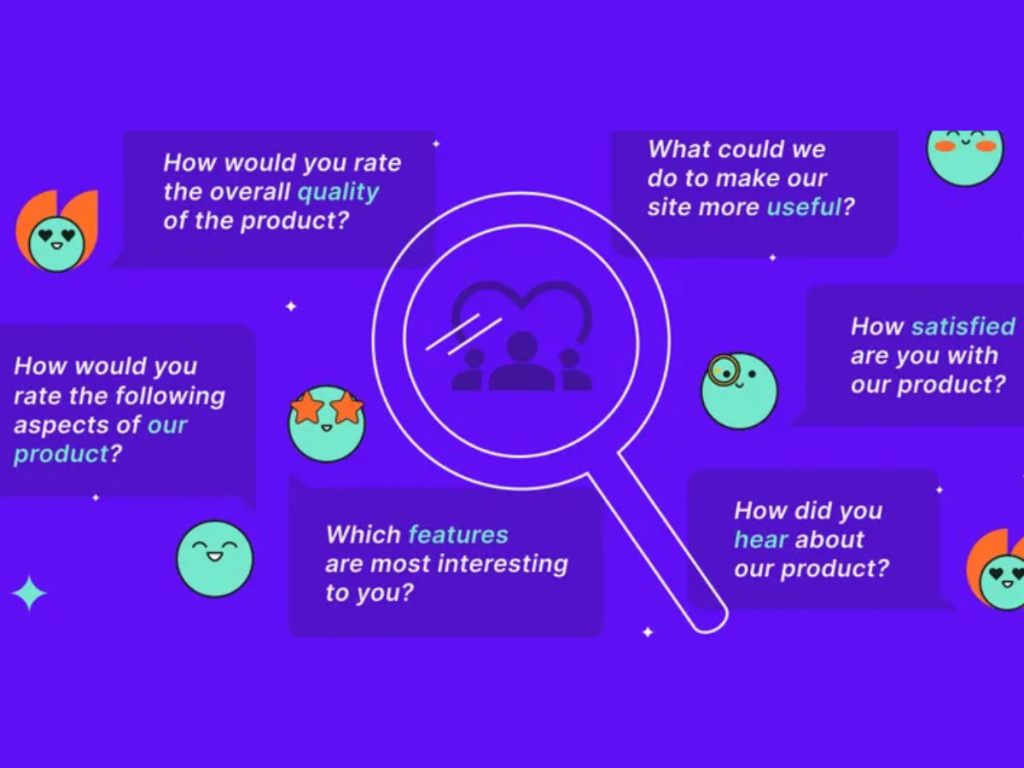
Gather Feedback From Every Touchpoint
If you think, “Hey, I have got this covered and I collect feedback so often.” Guess what? That isn’t enough! Your customers communicate through every touchpoint, mobile app, website social media platform, chatbot, or even email, you name it.
Pro Tip:
For real-time feedback, conduct brief surveys and fast polls at important touchpoints. Do not wait for your customers to call you out on Twitter, instead, be proactive!
If you can collect feedback following an engagement, you will know exactly what’s working and what needs to be improved to develop the best omnichannel customer experiences.
And not only just focus on key occasions like when customers make a purchase or contact support. You should also receive feedback in between, such as during the onboarding process, post-purchase follow-ups, or even a simple FAQ conversation. The goal is to gain a full understanding of the client’s journey.
Step 2:
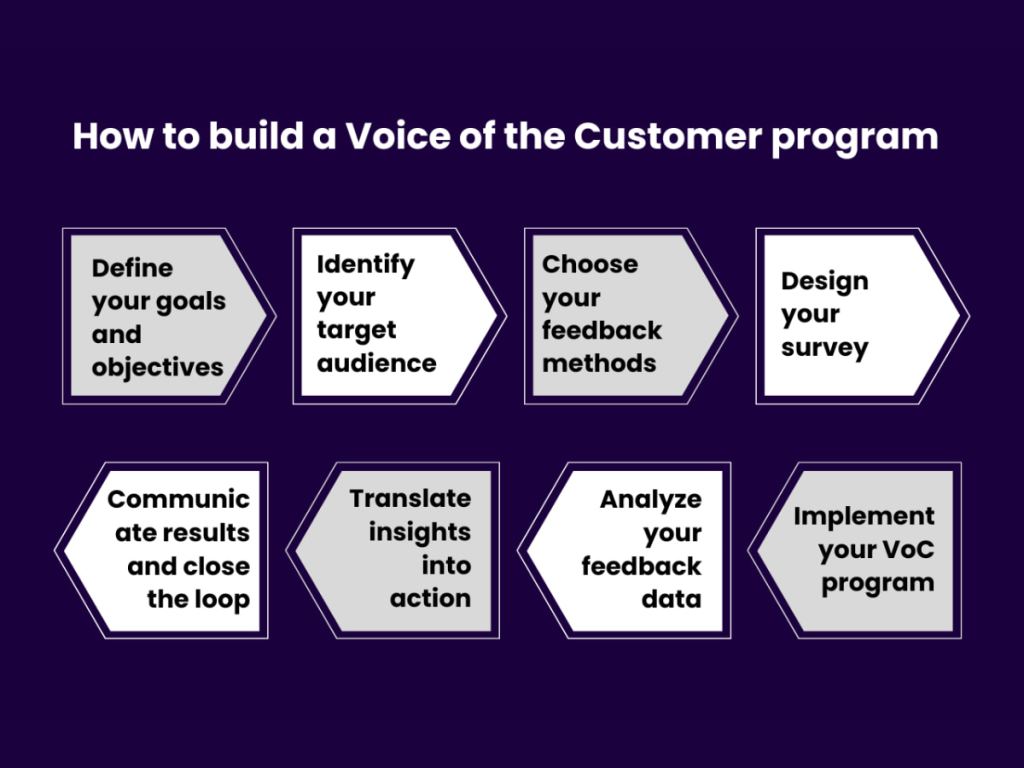
Integrate Analytics With Your Voice Of The Customer (VOC) Program
Now that you have received feedback from every part of the internet, what comes next? Analytics. The next step is integrating those customer insights into your current analytics platform.
Consider This,
You are receiving data from many sources. Your sales figures are impressive, but do they represent the entire story? Not really. However, when you integrate your analytics with your Voice of the Customer (VOC) program, you may begin to comprehend the “why” behind the facts. Is your checkout drop-off rate due to the difficult process? Is your low customer satisfaction due to slow response times?
Combine VOC feedback with data analytics, then you will identify larger performance trends. For example, maybe 40% of your consumers complained about excessive loading times, but your bounce rate increases when you run a new product. Connect this data to consumer sentiment, then you will understand what’s causing your performance declines.
Pro Tip:
To improve omnichannel customer service, segment your data by channel (internet, social media, in-store, etc.) This will allow you to identify the trouble in the journey and make rapid improvements. That way, you are not only just guessing what went wrong, but also addressing real-time concerns very precisely.
Step 3:
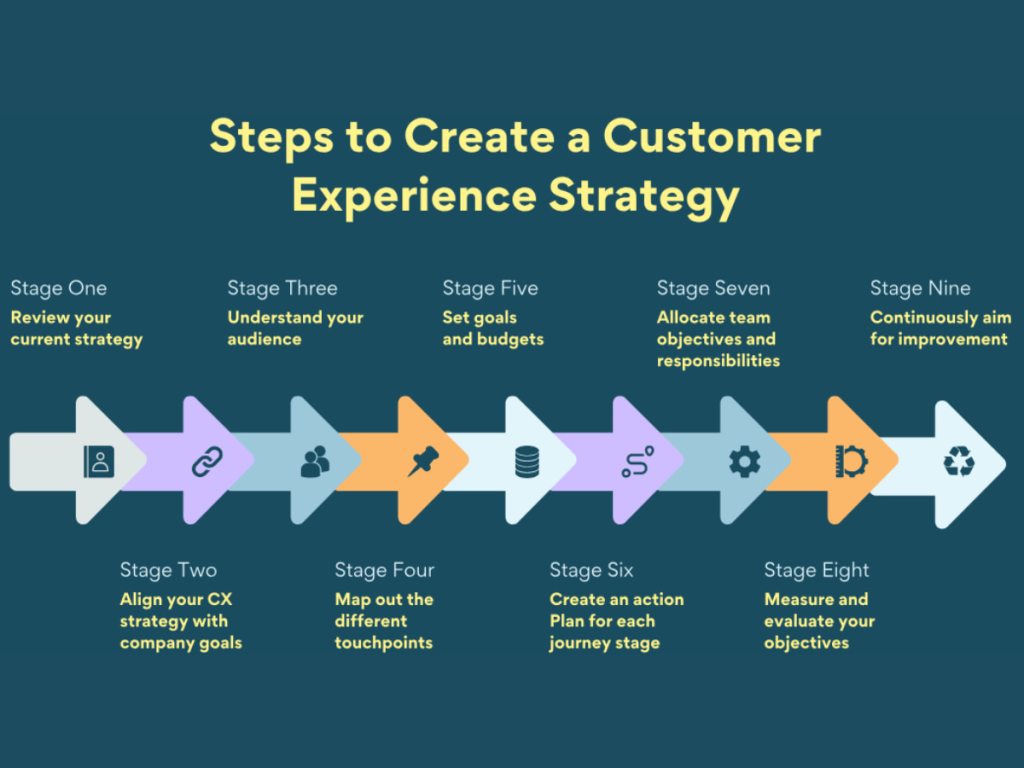
Improve The Customer Experience Across All Channels—The Holy Grail
To enhance the omnichannel customer journey, collecting feedback and integrating it into analytics is only the beginning. The ultimate goal is to improve the overall customer experience through all channels. You have the insights, now it’s time to act.
But How Do You Do This?
Ask the right questions at all times. Not every feedback is equivalent. Sometimes you will need to ask certain questions on critical occasions.
For example, after a consumer engages with a support chatbot, inquire, “Was your issue resolved?” Alternatively, after they quit their shopping cart, enquire, “What stopped you from completing the purchase?”
Act-On Feedbacks Quickly:
You cannot afford to wait months to make improvements. Customers will forget their complaints by then, and you will lose trust. Instead, take prompt action to resolve concerns. Fix issues, update FAQs, or streamline the checkout process quickly.
Customers will forget their complaints, and you will lose trust. Instead, take prompt action to resolve concerns. Fixing issues, updating FAQs, or streamlining the checkout process quickly will help you improve customer experience.
The future of customer experience is personalization. Use your feedback to modify each interaction. Customers want to feel like you are speaking to them, not a faceless mass. If they have stated that they prefer email over text for promotions, don’t send a text. It is that simple.
Pro Tip:
Use artificial intelligence and automation to analyze feedback and deliver real-time insights. With the correct technology, you can automate follow-ups, make personalized recommendations, and even route issues to the appropriate departments immediately.
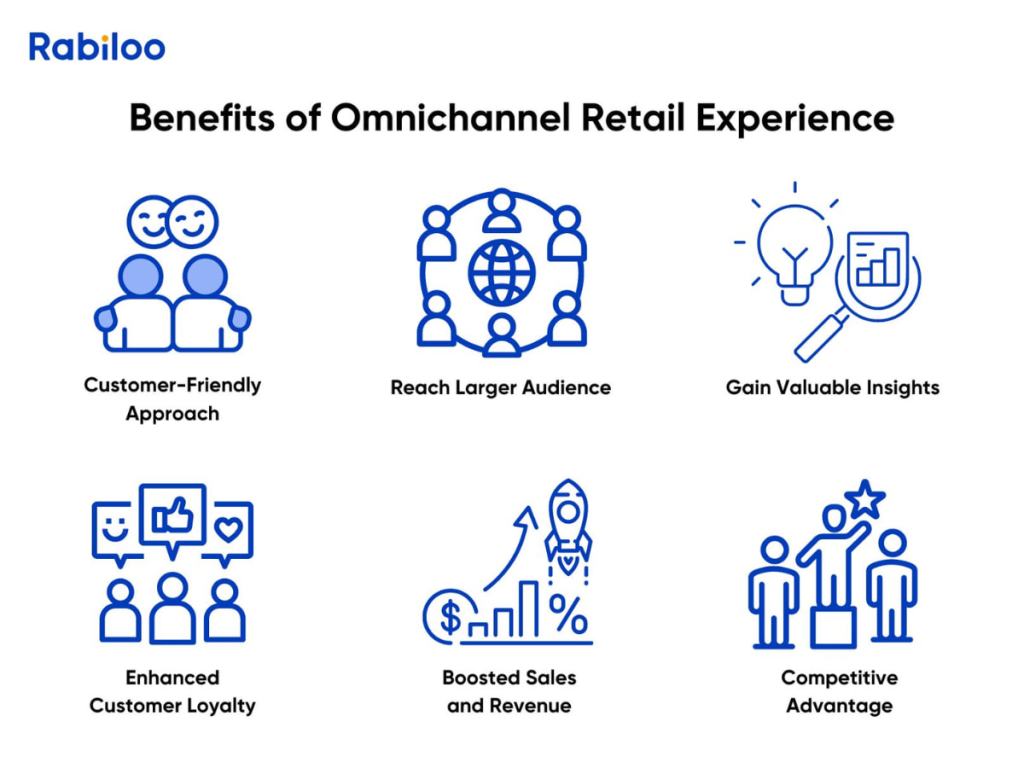
Bottom Line—Customer Feedback Is Your Business Superpower
Omnichannel Approach For Business Success:
Let’s end with a small secret. Your business’s performance is strongly related to how effectively you understand your client’s wants. You can become a customer experience superhero by gathering input from every touchpoint, integrating it into analytics, and improving customer experience across all channels.
Let’s face it,
In today’s competitive world, you have to stand out. Businesses that actively listen to and act on customer feedback do more than just survive, they thrive.
So, what are you waiting for? Begin collecting feedback, optimizing your omnichannel experience, and watch customer satisfaction skyrocket.
FAQs
Why Is Having An Omnichannel Experience Important?
Omnichannel experiences provide seamless interactions across all consumer touchpoints, resulting in increased customer satisfaction and retention.
How Can Consumer Feedback Help My Business?
Customer feedback helps you uncover pain points, allowing you to make data-driven decisions that improve the customer experience and increase revenue.
What Tools I Can Use To Collect Consumer Feedback?
Collect client data in real-time, via surveys, social listening tools, chatbots, and in-app feedback choices.
How Frequently Should I Collect Feedback?
Collect feedback at crucial touchpoints such as after purchase, during customer support conversations, and via post-interaction choices, it will help you figure out how to enhance customer satisfaction.
Can Consumer Feedback Help With Marketing?
Yes! Customer feedback provides valuable insights into preferences, allowing you to design more tailored and effective marketing initiatives, resulting in increased customer loyalty.
“Remember, the voice of your customer isn’t just feedback—take these steps to boost omnichannel experience to increase customer loyalty and retention, it’s the blueprint for your business’s next big breakthrough.”
 OPTERFACE