
Welcome to the world of analytics. You know, the annoying little figures that awake business owners at night. So much data is available that tracking every measure can cause you to consume an extra-large coffee (or two). But here’s the truth: Not all measures are equal.
The secret to meaningful, long-term growth is knowing which data to focus on—and which to ignore. Fortunately, I have your back. I distilled down to five critical KPIs that every organization must watch. Ready? Let’s explore efficient ways to measure business performance metrics.

1. Customer Acquisition Cost (CAC): The Price Of Making Friends
Consider CAC as the cover payment for inviting new individuals to your business party. It signifies the total cost of acquiring a new customer through your marketing and sales efforts. And let’s be honest. If you spend more to attract clients than they are worth, you have a leaky budget to fix.
Why These Metrics Slaps?
It reveals how well your sales and marketing teams are doing.
- High CAC? Your profits are at stake.
- Lower CAC? More money remains in your pocket.
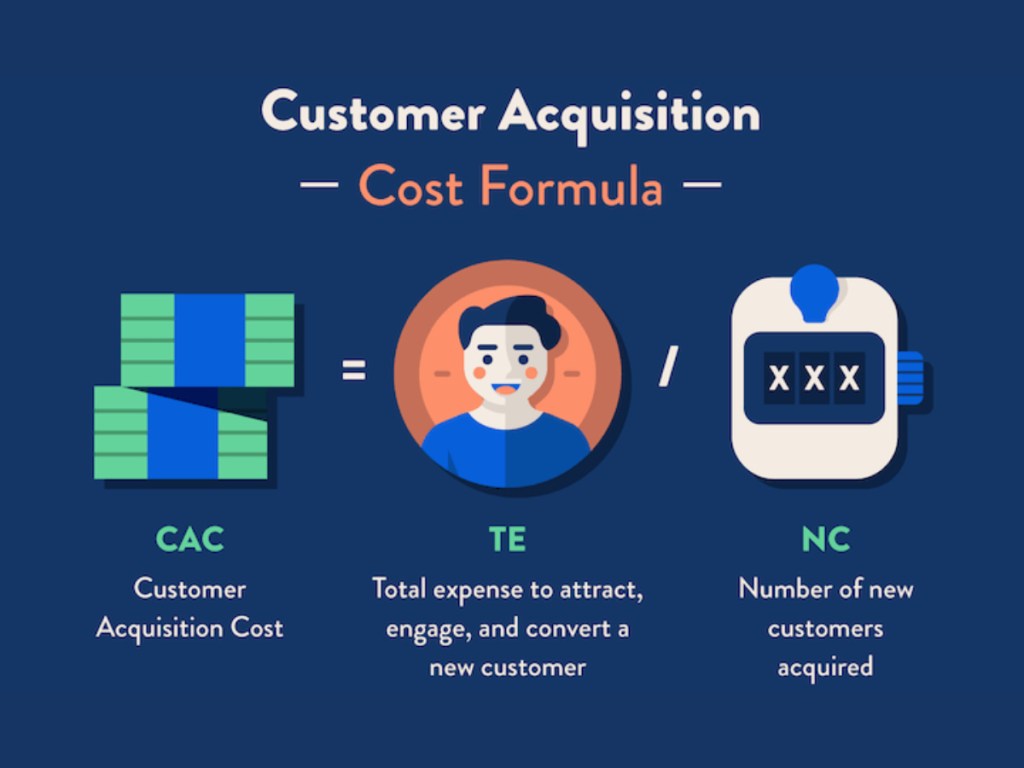
CAC Formula (Easier Than It Sounds)
CAC is calculated as total sales and marketing expenses divided by the number of new customers acquired.
Pro Tip: Stop Burning Cash Without Proper Research And Analysis
If your CAC begins to increase faster and much higher than your revenue generation, it’s time to make changes. Are your advertisements targeting the wrong audience? Is your sales funnel weak? Fix it quickly. A lean CAC is your key to increased revenues.
2. Customer Lifetime Value (CLV): Milk That Relationship
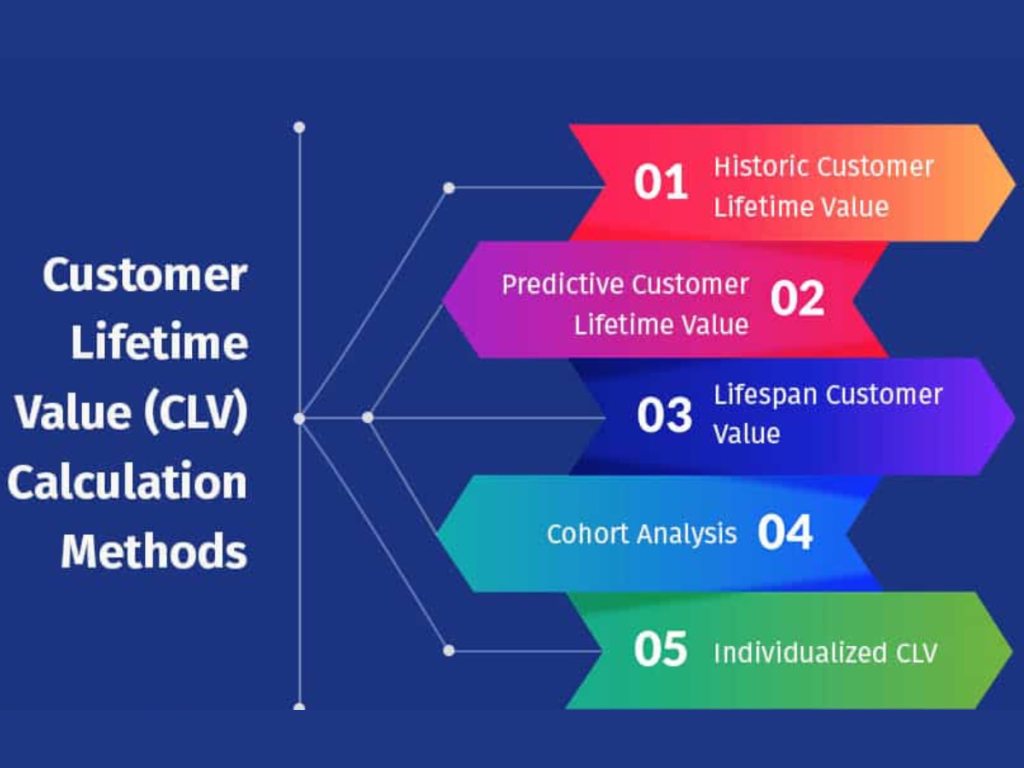
It’s one thing to get people in the door; another to keep them coming back. CLV calculates the overall revenue you can expect from a customer throughout their engagement with your company. The longer the engagement stick around, the more money they generate.
Why Does It Matter?
High CLV balances off a high CAC, implying that your original investment will pay off in the long run.
CLV Formula
CLV = (Average Buy Value x Buy Frequency) x Customer Lifespan
Pro Tip: Do Everything That Boosts Customer Retention.
Customers leave when they don’t feel loved. Keep them intrigued by:
- Offering tailored discounts.
- Developing loyalty programs.
- Offer excellent customer service.
- Avail flawless and best value-for-money products and services in the market.
3. Conversion Rate: How Many Say “Yes”?
How many people are taking the desired action? That’s your conversion rate, whether you are signing up for a newsletter or clicking buy now. If people aren’t converting, all that traffic is useless.
Why Is Conversion Rate Crucial?
A good conversion rate indicates that something is wrong.
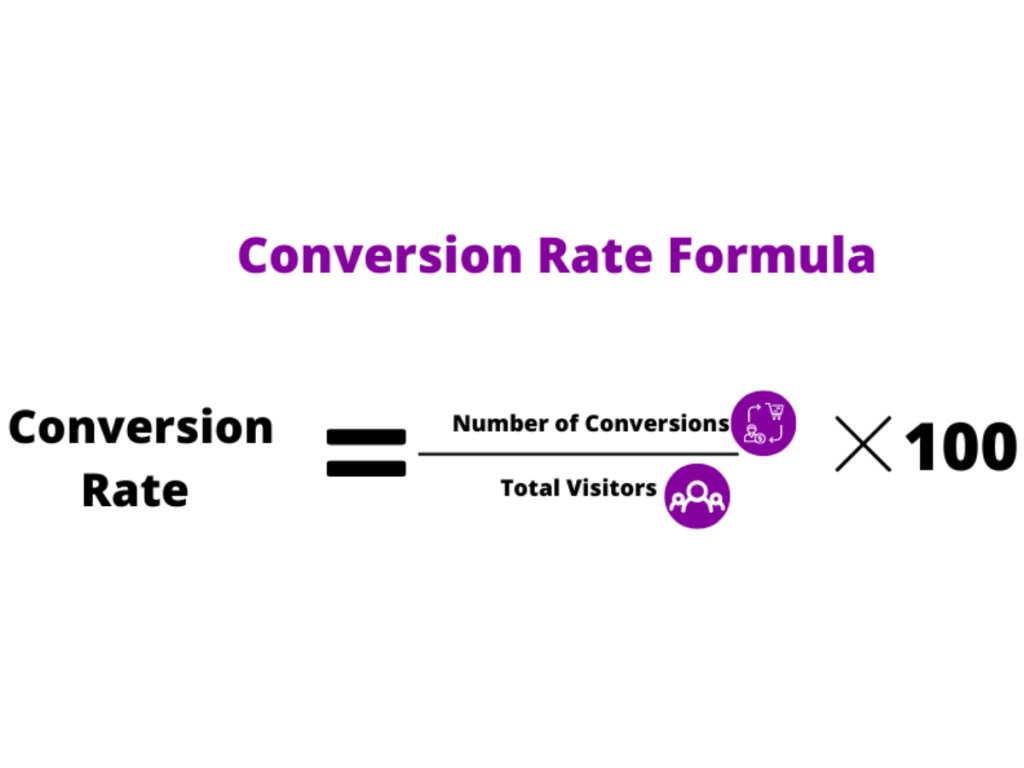
How To Calculate Conversion Rate
Conversion Rate = (Conversions/Total Visitors) x 100
Pro Tip: Test, Tweak, And Repeat
A/B testing can help boost your conversion rate. Small modifications, like changing the color of a headline or button, can have a significant impact. Make it simpler for visitors to convert into paying clients or customers.
4. Churn Rate: Are They Ghosting You?
Nobody loves being ghosted, especially, a business from the paying customers. The churn rate shows the percentage of consumers who leave over time. A higher churn rate signals a bigger problem. If clients or customers continue to walk out of the door, even the strongest acquisition plan will fail.
Why You Can’t Ignore It?
It is more expensive to acquire new clients than to keep existing ones. A high churn rate? Say goodbye to reliable revenue. A high conversion rate? you are doing the right things.
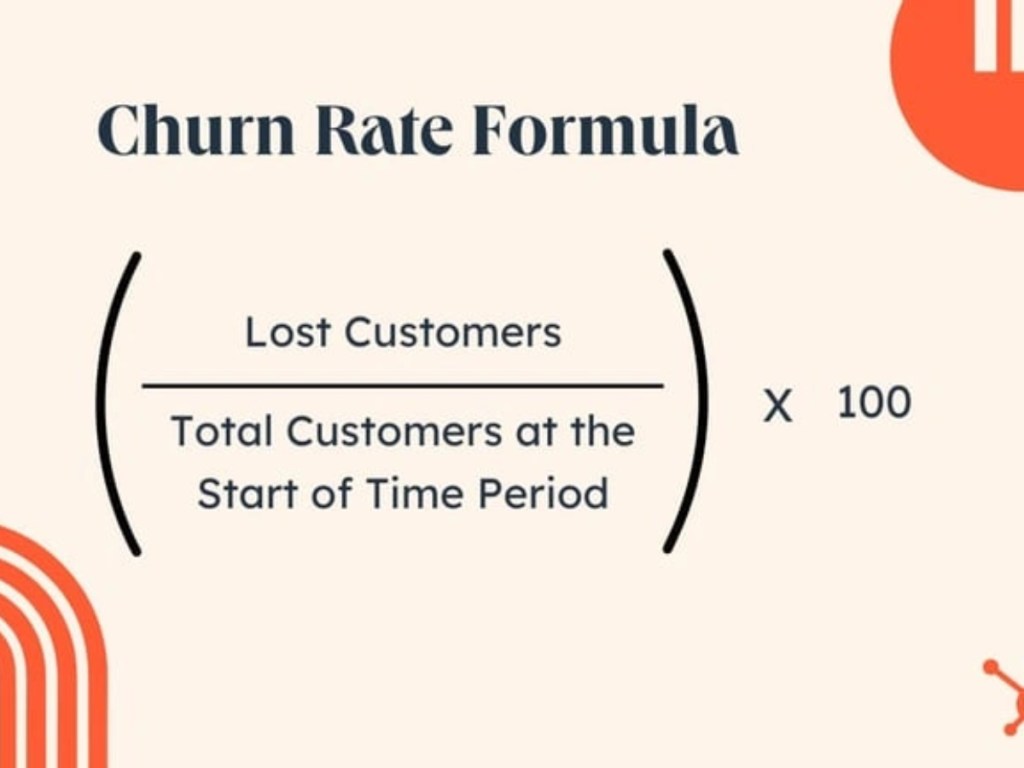
Churn Rate Formula
The churn rate is calculated as:
(number of customers lost/total customers at the start of the period) x 100
Pro Tip: Patch The Leaks
Don’t wait until the customers have something left to inquire, “What went wrong?”
- To find problems early on, conduct regular surveys.
- Conduct re-engagement campaigns to regain lost consumers.
5. Net Promoters Score (NPS)—Your Reputation Scorecard
How likely is it that your clients or customers suggest you to their friends or colleagues? That is the million-dollar question, which NPS addresses. With just one simple question— “On a scale of 0 to 10, how likely are you to recommend us?”—you will know whether your clients adore you or if trouble is developing.
Why NPS Is Gold?
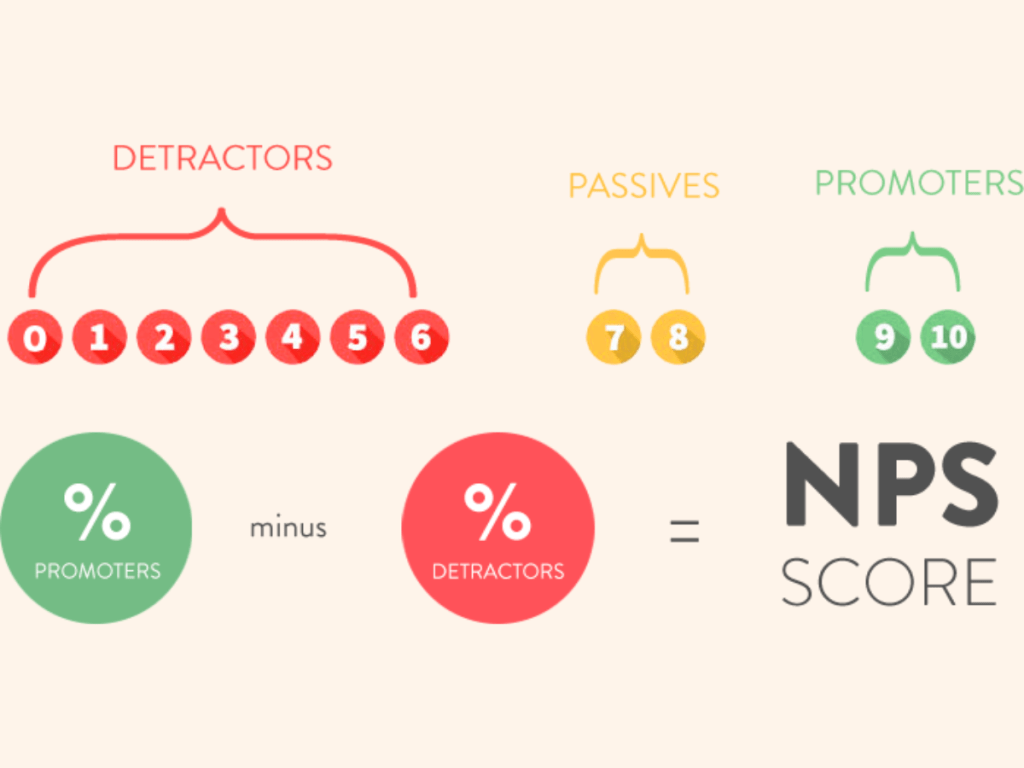
- Promoters (Scoring 9—10) are your brand advocates.
- Detractors (Scoring 0-6) are those who leave negative ratings.
- A higher NPS indicates that you have loyal followers spreading the news (for free!).
NPS Formula
NPS = % of Promoters – % of Detractors
Pro Tip: Engage your consumers with a few free benefits and discounts. Improve products, services, and delivery regularly according to feedback.
Use positive reviews as testimonials. Encourage promoters to refer friends using reward systems or referral programs. Then what about the detractors? Pay close attention. Their feedback can help you progress more quickly than an inspiring phrase.
Final Verdict: Metrics That Matter And Growth That Follows
Metrics are more than fancy numbers; they are your company’s heartbeat. CAC, CLV, Conversion Rate, Churn Rate, and NPS are the five most crucial metrics for achieving long-term growth in business. And, if this gets overwhelming, don’t be afraid to seek support.
Analyze the performance, and seek expert advice. Use the right professionals, tools, and techniques. Decide how to translate these indicators into practical solutions. This lets you focus on what you must do to grow your business everyday.
FAQs
1. What Makes a good CAC?
A “good” CAC varies with the industry, but it must be lower than your CLV to assure profitability.
2. How Often Should I Calculate The Churn Rate?
Monthly or quarterly is ideal, especially if your firm has repeat customers or subscribers.
3. Can A High NPS Affect Growth?
Absolutely! Promoters, more specifically satisfied and happy consumers can act as free marketers, referring new clients/customers and enhancing your brand’s reputation.
4. Which Is More Significant, CAC Or CLV?
Both are important. A high CLV can support a higher CAC, but seek balance to enhance profitability.
5. How Can I Boost My Conversion Rate?
Start by A/B testing your web pages, optimizing your call-to-actions, and ensuring your website is mobile-friendly.
That’s it—five measures to keep an eye on, and a road map for professional business growth. Now go forth, track smartly, and good luck with your conversion rates, that always be in your favor!
 OPTERFACE