
Humanity is fascinated by this concept of weather modification. From myths of the antiquity of gods governing the element to recent scientific attempts to manipulate the weather. This idea of managing weather has drawn much attention from the scientific community, resulting in a few theories.
Another obvious reason is the rate of climate change and weather patterns, which are growing more unpredictable because humanity did not use eco-friendly methods to run the world.
However, since the weather conditions are causing some effects on lifestyle and nature, this raises concerns. That’s why a few scientists across the world are trying to figure out whether it is feasible to control the weather.
The science of weather modification and its probable outcomes and drawbacks are researched and mentioned in this article along with its wider ramifications for the environment and society.

Understanding Weather Modification
The deliberate manipulation of weather patterns by implementing various techniques is called weather modification. Carbon capture and storage (CSS), cloud seeding, and solar radiation management (SRM) are some of the theorised methods.
There are some differences in the application and efficacy of each of these techniques, where each focuses on distinct parts of weather and climate systems.
Cloud Seeding
One of the most popular methods for altering the weather is cloud seeding. It aims to increase precipitation by adding materials to clouds that encourage the development of water droplets.
- How It Works
Agents such as calcium carbonate, sodium chloride, or silver iodide are dispersed into the cloud in this process by serving as nuclei, which can form water droplets. As a result, these chemicals react with the cloud to increase precipitation.
- Applications
Cloud seeding enhances water supplies, increases rainfall in parched areas, and controls snow at ski resorts. Additionally, it can be used to alleviate drought situations and maximize agricultural water supplies.
- Challenges And Controversies
Even while cloud seeding has its implementations, its effectiveness differentiates and relies on multiple factors of the atmosphere. Concerns about the environment also rise, based on probable unforeseen ecological effects and the long-term implications of releasing chemicals into the atmosphere.

Solar Radiation Management (SRM)
For controlling the weather, known as solar radiation management or SRM, this concept refers to the process that reflects some solar energy into space.
- How It Works
SRM techniques contain the utilization of space-based reflectors, brightening clouds to increase the reflectivity, and injecting aerosols into the stratosphere to form a reflective layer. Natural occurrences like volcanic eruptions, which can momentarily chill the Earth by releasing reflecting particles into the atmosphere, are the source of inspiration for this strategy.
- Applications
SRM might provide a short-term solution for decreasing global temperatures and stabilizing the climate. However, it increases the factors that cause greenhouse gas pollution and does not support the core reasons for tackling the underlying causes of climate change.
- Challenges And Controversies
Huge risks and uncertainties are associated with SRM. Modifying solar radiation can impact ecosystems, weather patterns, and the flow of global climate systems inadvertently. Concerns about ethics and governance also surface because SRM’s negative environmental effects call for international cooperation and regulations.

Carbon Capture And Storage (CCS)
Carbon capture and storage (CCS) is the method of subterranean storage of CO2 emissions that are produced by industry or directly from the atmosphere.
- How It Works
With the use of chemical or physical processes, CCS technology extracts CO2 emitted from industrial facilities or power plants. After being captured, the CO2 is moved and stored in geological formations like saline aquifers or exhausted oil fields.
- Applications
CCS is being investigated as a direct air capture technique that can assist in lowering greenhouse emissions from very significant sources. By decreasing emitted CO2 from the atmosphere, it provides the possibility of reducing the effects of harmful climate change.
- Challenges and Controversies
High costs and logistical difficulties are associated with the CCS, and long-term CO2 storage site security is a matter to worry about. There are also some disagreements regarding finding CCS, that it takes resources away from greener alternatives like renewable energy. But still, it’s a viable option though.
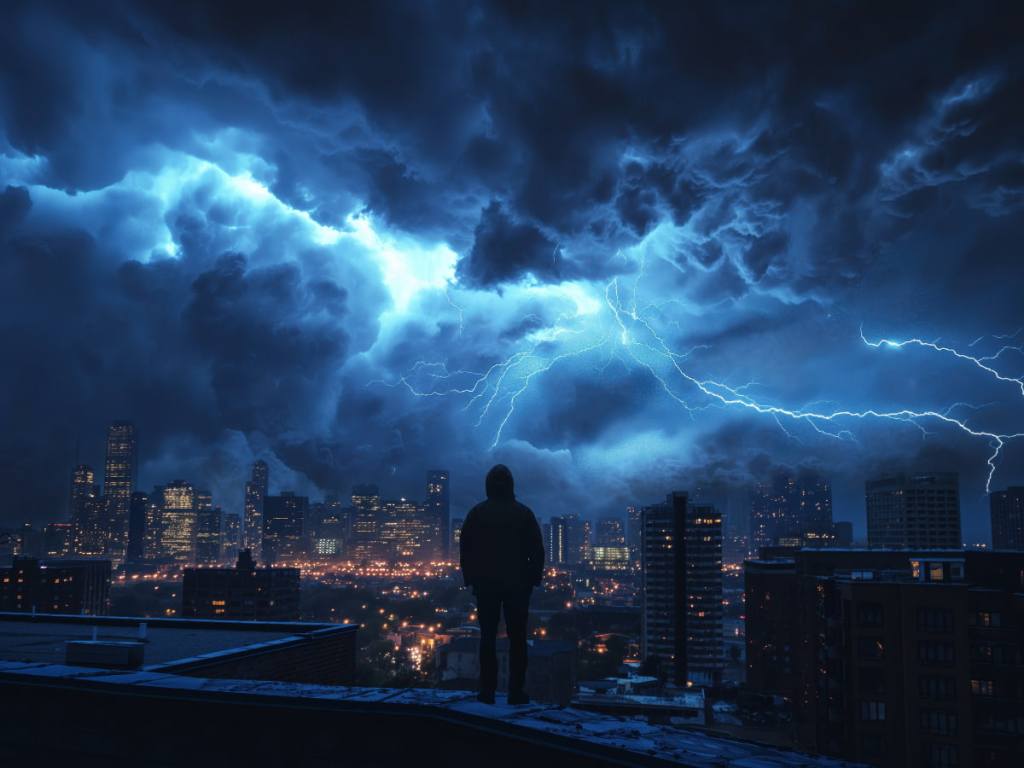
Will Weather Modification Have Any Harmful Effects?
Even with some promising theories, as of now, we realise that the available weather modification processes may have some unforeseen and harmful effects. So, let’s see the possible negative consequences.
- Environmental Impact
Cloud seeding may change precipitation patterns, which could lead to ecological imbalances. Taking an example, more rainfall in one place can result in less water available in another place which would impact water resources and agriculture along with affecting the wildlife.
- Ecological Disruption
SRM technique will interfere with local biodiversity and weather patterns. Temperature and precipitation variations may affect plant and animal species. It will result in habitat loss or changes to the environment of some species. This approach also causes air pollution.
- Socioeconomic Effects
There are benefits and dangers of modifying the weather with the processes available right now. It may make the already existing disparities worse. Conflicts over water resources could arise from decreasing water availability in some areas, due to the implementation of weather modification in other places. Because regions that benefit from increased precipitation will suffer due to this process.
- Unintended Consequences
There is a high chance that large-scale climate engineering efforts will have unintended consequences. For instance, the introduction of aerosols into the stratosphere will have unexpected effects on atmospheric chemistry and weather patterns, causing pollution.

Preventive Measures
- Rigorous Research And Monitoring
To comprehend the impacts of weather manipulation techniques, extensive research and monitoring are necessary. This entails important factors including simulated analysis of the effects on the environment by determining the long-term consequences. Therefore, it is crucial to examine and improve each step of the procedures.
- International Collaboration
Since the climate systems are global, international cooperation is essential. Working together can guarantee the prudent application and efficient risk management of weather modification techniques.
- Regulation And Oversight
The development and the use of weather modification technologies must be guided by the establishment of regulatory frameworks and supervision procedures. For handling potential hazards, standards for ethical concerns, safety, and openness should be established.

The Current State Of Weather Modification
Cloud Seeding
Cloud seeding has been used for decades and has multiple degrees of effectiveness. Although outcomes can vary, technological advancements and a deeper comprehension of cloud physics continue to improve these techniques.
Solar Radiation Management (SRM)
Researchers continue to mostly conduct small-scale field experiments and computer modelling as part of SRM. It is impossible to deploy on a large scale because of the dangers and uncertainties involved for now until pollution-free methods are properly developed.
Carbon Capture And Storage (CCS)
Significant advancements in CCS technology have been made, especially in the oil and gas sector. Scaling up CCS to significantly reduce global emissions is still a challenge though.

Ethical And Environmental Considerations
Geoengineering and weather modification bring up significant moral and environmental issues. Therefore, the important things to keep in mind are:
Unintended Consequences
Modifying climate systems or the weather could cause unforeseen, far-reaching consequences. It is essential to comprehend and control these risks for responsible implementation.
Governance And Regulation
The implementation of weather manipulation technologies necessitates cautious international administration and regulation. Transparent decision-making procedures and international collaboration are crucial in such cases.
Ethical Implications
Control, impact dispersion, and the protection of vulnerabilities are among the issues raised by ethical considerations. It is essential to provide a fair distribution of risks and rewards.

The Future Of Weather Modifications
With climate change and extreme weather occurrences on the horizon, weather manipulation technologies offer exciting opportunities. They must, however, be handled carefully and with full protection from any possible unwanted consequences.
Research And Innovation
Understanding the advantages and disadvantages of weather modification techniques requires investment in ongoing research and innovation. Cooperative contribution between government, scientists, engineers, public figures, and other interested parties like business owners, investors, and the common public, is important for having the funds, ideas, and collaborations to implement secure and practical solutions.
Public Engagement
It must be taken into account that building trust by considering multiple viewpoints is necessary by including the public in the conversations concerning geoengineering and weather modification. Clear communications regarding objectives, dangers, and rewards will promote well-informed decision-making.
Sustainable Solutions
While it might provide short-term respite or mitigation, weather manipulation shouldn’t take the place of actions that involve addressing the underlying causes of climate change. Recognizing climate concerns necessitates cutting greenhouse gas emissions, switching to renewable energy, and encouraging sustainable practices.

Global Perspectives On Weather Modification
Although these theories of weather control present potential answers to climatic problems, weather modification technologies like cloud seeding and solar radiation management can also cause natural calamities across Earth.
The goal of cloud seeding is to increase precipitation, whereas the goal of solar radiation management is to cool the Earth’s atmospheric temperature by reflecting sunlight.
These methods do, however, include some hazards, such as the potential for unforeseen environmental effects and many moral dilemmas. To manage these risks and provide equitable gains, international cooperation and regulation are essential.
Global collaboration and open governance will be crucial in determining how weather modification develops in the future as research progresses.
Conclusion
With a wide variety of methods targeted at transforming weather patterns or decreasing the effects of climate change, weather modification science is an intriguing and intricate field of study.
Although carbon capture, cloud seeding, and solar radiation management have great potential, they also present multiple unknown risks and difficulties. It is important to research and find out some weather control technology that is safe and eco-friendly.
The weather control methods must be implemented with a balanced viewpoint, taking into account both their possible benefits and risks, as we investigate the possibilities of weather management.
Weather modification and its role in tackling global climatic concerns will be shaped in the future by ongoing research, ethical considerations, and international cooperation.
Even though weather management is still in its infancy, our desire to comprehend and leverage these technologies is a natural response to our innate need to influence and adjust the environment.

FAQs
- What Is Cloud Seeding, And How Does It Work?
For promoting precipitation, cloud seeding is the process of distributing materials into clouds, such as silver iodide. These materials act as centres, around which water droplets develop. This may lead to an increase in snowfall or rainfall.
- Is Weather Modification Effective In All Situations?
Weather modification strategies vary in their effectiveness. Although it doesn’t always provide the desired effects, cloud seeding can sometimes increase precipitation. In a similar vein, climate engineering methods seem promising but drawbacks are also present.
- What Are The Main Concerns Associated With Climate Engineering?
Potential changes to weather patterns affect the environment, and unforeseen repercussions are among the worries. Methods which are theorised or may have been experimented, with can be unpredictable, resulting in far-reaching impacts or making the situation worse.
- How Can The Risks Of Weather Modification Be Managed?
Risk management calls for thorough investigation, observation, global cooperation, and regulatory supervision. By taking these precautions, we can ensure that weather modifications are created and used appropriately.
- Are There Ethical Considerations In Weather Modification?
Indeed, the distribution of risks and rewards, the long-term effects of large-scale interventions, and the possible effects on the vulnerable environment of human civilization, along with wildlife, and other living species on this planet raises ethical issues. When making responsible decisions on weather change, ethical frameworks can help for sure.
 OPTERFACE