
Self-driving cars and hacking are topics of sensational discussion, since we all have seen that in the movies. We also know that the self-driving cars are becoming a reality day by day. Self-driving cars will bring a revolutionary impact on the transport sector, offering enhanced convenience, safer driving conditions, and greater mobility. The introduction of self-driving cars is motivated by the need to minimise the accidents caused by human errors, improve traffic flow, and meet the expanding demand for urban transportation.
Meanwhile on the other hand, the answer to the question, “Can self-driving cars be hacked?” is a definite “yes,” by judging from technological perspectives. The developments of autonomous vehicles are also raising serious concerns about cybersecurity, safety, and moral ramifications. Since the economy might soon start the integration of self-driving cars in more numbers, we must comprehend both the advantages and disadvantages associated with them.
So, let’s understand How Can Self-Driving Cars Be Hacked? And How To Prevent It?
What Are Self-Driving Cars
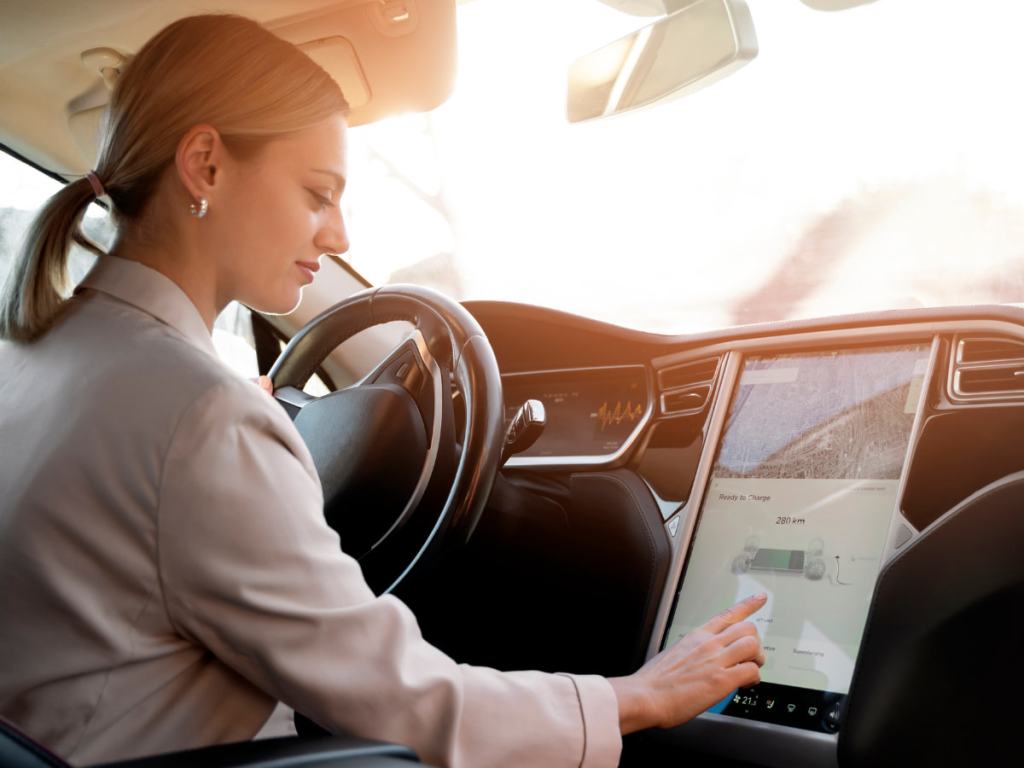
Autonomous vehicles, known as self-driving cars are automobiles outfitted with sophisticated sensors, cameras, radar, and artificial intelligence algorithms. This allows these vehicles to navigate and function independently of human interaction for manoeuvring in the traffic.
These cars are divided into different categories based on the degree of their autonomy. From driver assistance, adaptive cruise control, or complete autonomy and no need for human intervention.
How Does Self-Driving Cars Work
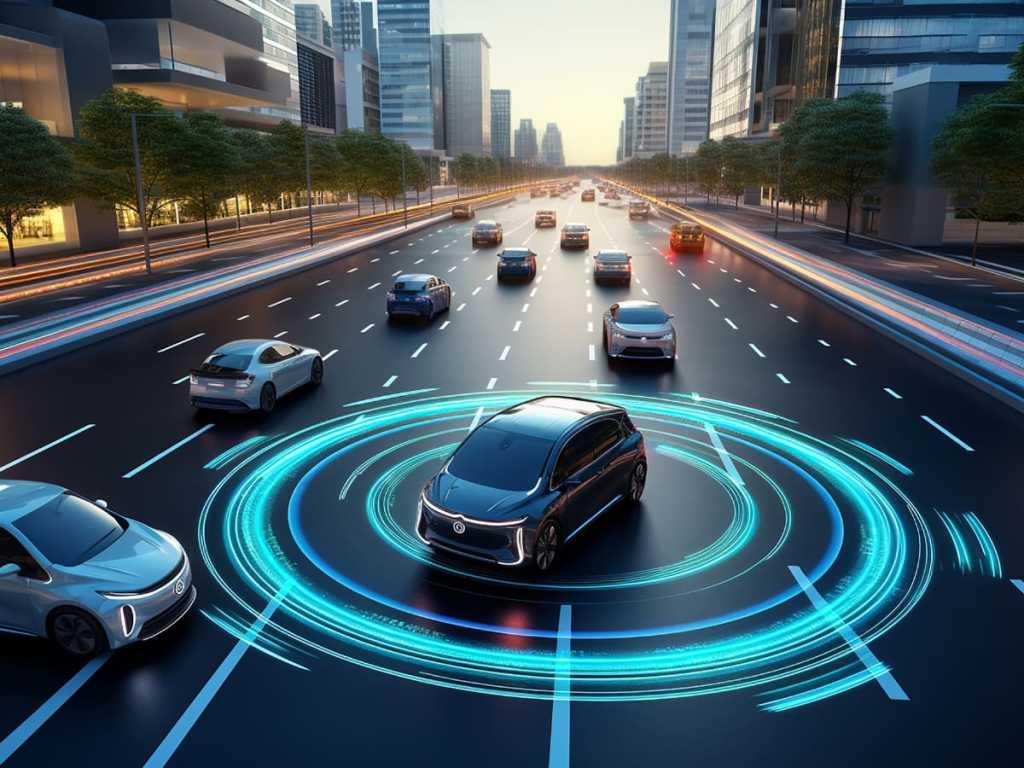
The systems for self-driving cars combine multiple technologies to sense their surroundings, evaluate data, and make judgements. Information about the environment around the car is gathered by sensors, including radar cameras, and LiDAR (Light Detection and Ranging). For recognizing lane markers, detecting objects and making judgements, regarding steering, braking, and acceleration, AI systems examines and integrate this data with the systems for the car to function.
Brands Manufacturing And Researching On Self-Driving Cars
Autonomous and semi-autonomous vehicle development is underway at several vehicle manufacturers and technology businesses. Leading companies like Tesla, Ford, General Motors, Volvo, BMW, Audi, Jaguar, and some other tech companies like Google, Apple, and Waymo (an Alphabet Inc. subsidiary), have also entered in this space.
Chances Of Self-Driving Vehicles To Get Hacked
There are many serious safety concerns and security issues for autonomous vehicles regarding the possibility of hacking into self-driving cars. The following hazards are as follows:
Cyberattack Vulnerability
Since self-driving cars mostly depend on software communication and communication networks, potential hackers might target them.
- Data Breaches
Cybercriminals find that the vast data collection of autonomous vehicles has crucial information including personal information. This can become a lucrative target.
- Sensor Data Manipulation
Cybercriminals might be able to alter all sensor data, which might cause the car’s AI system to make choices as controlled by the hacker. Or it might get corrupted and misidentify objects or ignore traffic signals.
- Remote Control
The cybercriminals might be able to take over the car remotely by accessing controls using intrusive hacks, endangering the security and privacy of its occupants.
- Social Engineering
To obtain unauthorized access, hackers might take advantage of human factors such as phishing attacks against automakers or users.
How Cyber Criminals Can Hack Any Self-Driving Car
For creating successful preventive measures, it is essential to comprehend the functioning of self-driving cars and how their security can be compromised.
- Software Vulnerability Exploitation
Unauthorized access might be obtained by taking advantage of loopholes in the operating systems including the software controlling the car’s systems.
- Sensor Input Manipulation
The AI-powered systems in the car may be misled into making wrong moves to bring the car and its occupants to bad conclusions like accidents, when the sensor data is corrupted, changed, or even fabricated.
- Overriding Control Signals
Hackers might control crucial operations by intercepting or altering the communication signals between different hardware as well as software components.
- Physical Access
Malicious manipulations might take place if some have access to the car’s hardware, which includes onboard computers and diagnostics connections.
- User Data
The hackers can employ someone for social engineering, and it can trick the users into sharing some data regarding accessing control of the vehicle unknowingly from which hackers can gain remote control sitting in a different place.

How Users Can Prevent Their Autonomous Vehicles From Cyberattacks
By taking these precautions users can reduce the chances of getting their autonomous driving vehicles hacked.
- Frequent Software Updates
To address security flaws, the users must install the updates and fixes that the car makers provide.
- Robust Authentication
Whenever a multi-factor authentication is offered, the users must not delay to activate it and set strong one-of-a-kind passwords for access.
- Privacy Settings
Disagree with data-sharing policies from third-party service providers which can jeopardize vehicle telemetry and personal data.
- Awareness Training
You must keep yourself updated about any dangers and phishing schemes that cybercriminals use to obtain unapproved access.
- Secure Connections
You must make sure that the Wi-Fi networks you use are secure. Stay away from public or unreliable networks that might be compromised. Avoid any public Wi-Fi when you are doubtful about it and seeing the signs that makes you think they might be compromised.
What Carmakers Can Do To Protect Self-Driving Vehicles From Hacking
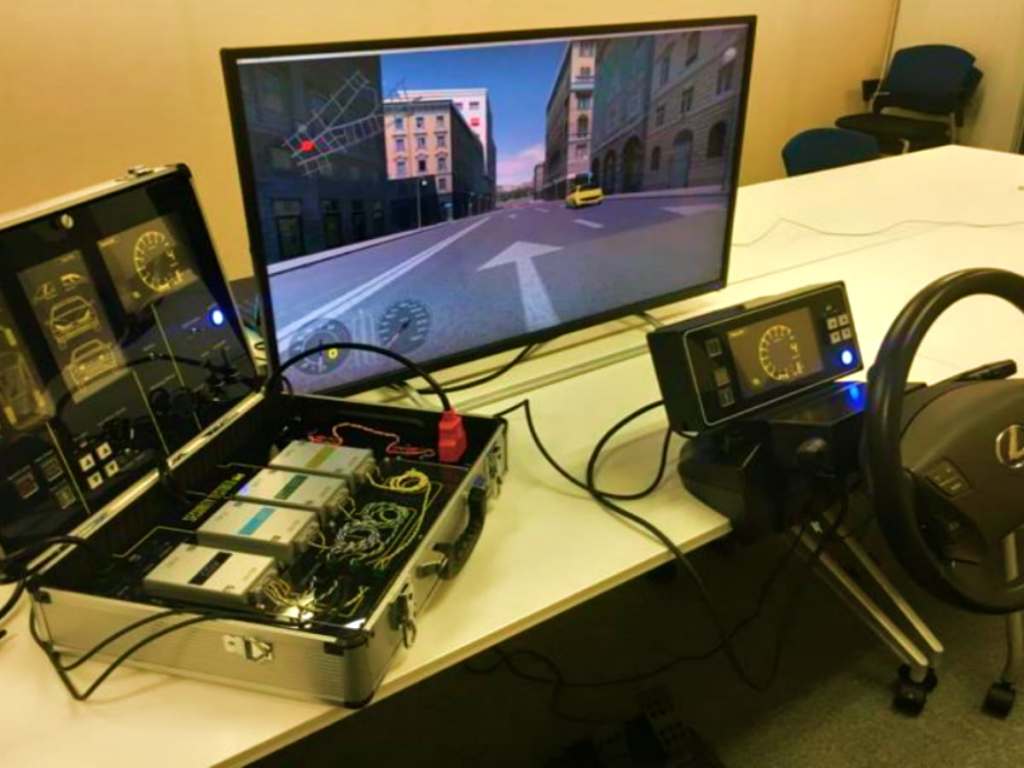
When it comes to protecting self-driving vehicles from cyberattacks, the role of carmakers is very crucial.
- Security By Design
Give threat modelling and risk assessment a priority while incorporating cybersecurity measures into the vehicle’s design and development strategies in different phases of production.
- Encryption And Authentication
To protect data transfers and control multiple interfaces, carmakers can put strong encryption protocols and authentications into place.
- Intrusion Detection Systems
To keep an eye out for and react to questionable activities, the implementation of sophisticated intrusion detection and prevention systems (IDPS) must be very strong.
- Secured Software Development
Throughout the software development lifecycle, the manufacturers must adhere to secure coding standards for the engineers, and carry out frequent security audits and quality testing.
- Antivirus
While establishing antivirus software systems, prioritizing the best practices can be very effective while deploying antivirus programs. It is very necessary. The antivirus security development for self-driving cars will require fostering collaboration among cybersecurity specialists, government organizations, and industry stakeholders.
Conclusion
The development of self-driving cars is a substantial technological advancement with far-reaching effects on society’s safety, and transportation. Even while issues like cybersecurity and morality still need to be addressed, the potential benefits of autonomous cars promise to improve mobility and alter urban environments. It will open the door to more accessible, cost-saving, safe and comfortable modes of transportation. So, the conclusion is even though self-driving cars can be hacked, but it can also be prevented with the proper measures.
 OPTERFACE