
With the change in government norms due to climatic changes and increasing air pollution, the demand for electric vehicles is increasing across the globe. From the consumer’s perspective, the preference is changing due to the higher maintenance cost and increasing fuel prices for internal combustion engines. The same transformation is emerging gradually in the commercial vehicles segment. So, lets start reading why ev sales tripled in 3 years.
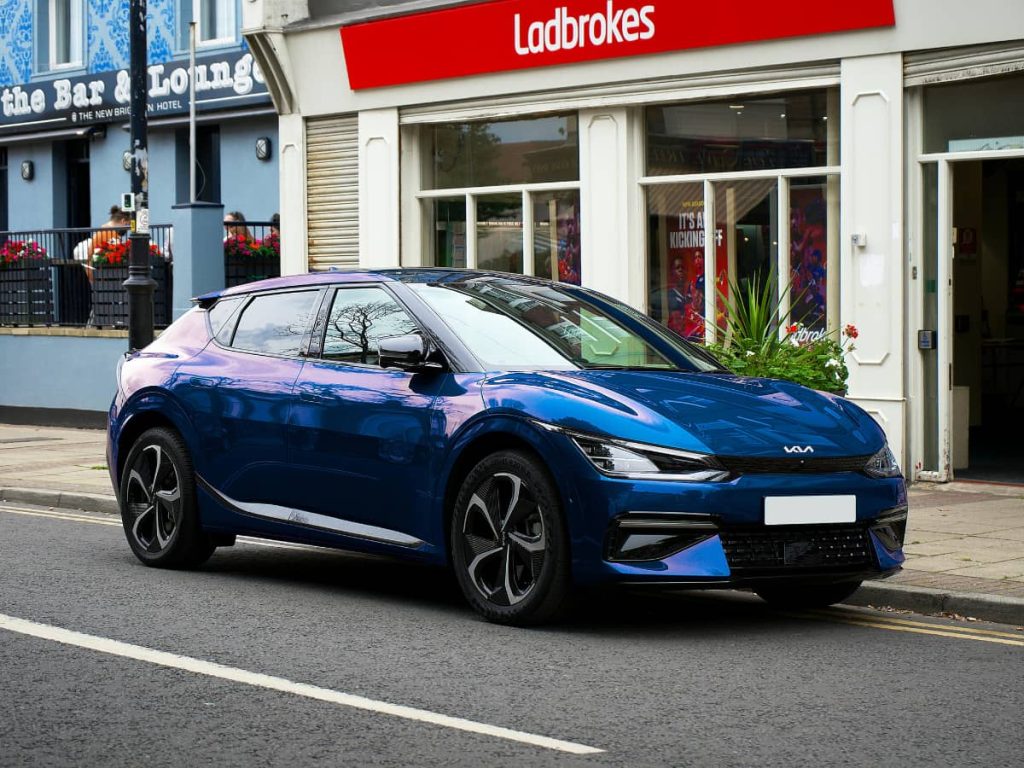
Electric Cars Growth Before 2020
The sale of electric cars started growing in 2017 when approximately about 1 million electric cars were sold. Even though the car industry was struggling globally and shrank in 2020, the sale of EVs increased to about 3 million units and reached 4% of overall car sales. It increased by 108% in 2021, which is more than double of previous sales. As a result, 14 % of all car’s sales were electric by 2022. Total EV sales were 2.2 million in 2019 which is 2.5% of the vehicles sold worldwide.
Increase the Rate of Sales
In 2020, the sale of EVs (electric vehicles) was just 4% of the total car sales. The sales of electric cars crossed almost 10 million in 2022, which is about a 60% rise from 2021. In 2022, 14% of the new car sales were electric, and it is projected to reach 35% by the end of 2023. The overall sales of electric vehicles have tripled in three years from 2020 to 2023.
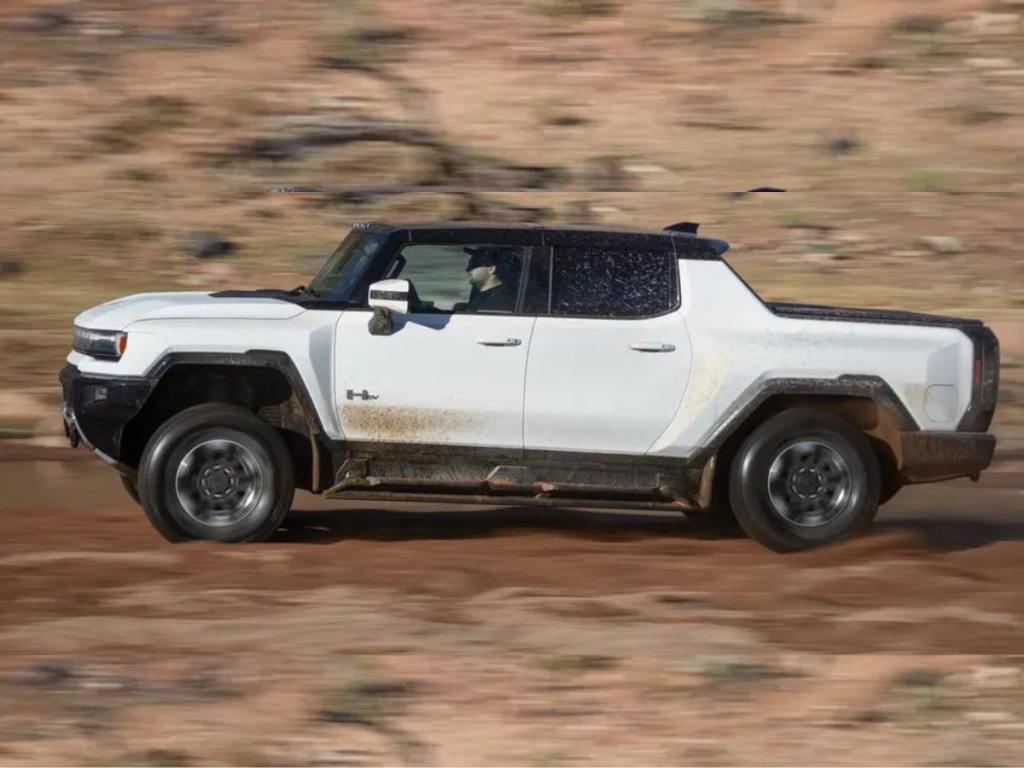
Electric Vehicles Growth Rate at Present
The sales have increased by 32% from the first quarter of the previous to the first quarter of 2023. For the first quarter of this year, the number of EVs sold was one among seven car sales, which included hybrid, petrol, and diesel cars.
Top EV Selling Countries and their EV sales among total car sales
- Norway – 91.1%
- Iceland – 70%
- Sweden – 59.2%
- Germany – 47%
- Netherlands – 45%
- Denmark – 40%
- Switzerland – 38.8%
- Finland – 35%
Electric Vehicle Future Growth
It is forecasted that the market of EVs will be worth $951.9 billion by 2030. During this projection from 2023 to 2030, the CAGR (compound annual growth rate) for EVs is anticipated to be at 13.7%. According to the IEA (International Energy Agency), about 14 million EVs will be sold by 2023.
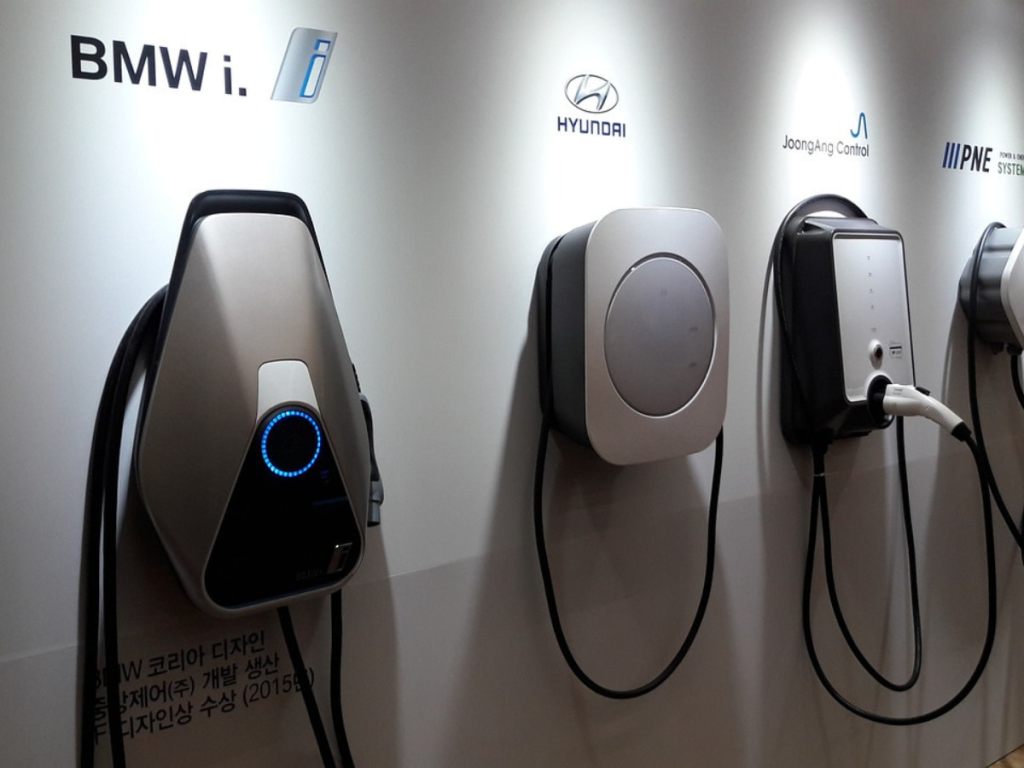
Leading EV Manufacturers
The existing automobile manufacturers have been manufacturing electric vehicles for different segments. The EVs are getting popular among consumers, and for that reason, many manufacturers have come to the market to offer electric vehicles. The leading EV manufacturers are Tesla, Mercedes-Benz, BMW, Audi, Volkswagen, Skoda, etc. and the new players are Lucid Motors, Rivian, BYD, Fisker, etc.
Factors responsible for rising demand for Electric Vehicles in India
- Increase in fuel prices
- Increase in maintenance cost for petrol and diesel cars
- Government Incentives
- Increase in environmental awareness
- Urbanization
- Increase in charging infrastructure
- Increased air pollution in major cities
- Performance and driving experience
- Interest in electric mobility
- Availability in both higher and mass-market price segments
Conclusion
With the increasing demand for EVs, the demand for the production of Lithium-ion batteries is also rising. Similarly, the need for charging points is also increasing. The manufacturing process of electric motors for cars has also advanced in many ways. In every major economy across the globe, the number of charging points for EVs is increasing. Companies are progressing to increase the driving range of electric vehicles and reduce the charging time.
 OPTERFACE